
Overview
SOS Dogs Romania is a nonprofit organization dedicated to rescuing and re-homing abandoned dogs and other pets. The organization relied heavily on social media and third-party platforms, making it difficult for visitors to find information, adopt pets, donate, or volunteer.
This project redesigned their digital presence into a responsive website that centralizes essential information while encouraging user engagement and support.
The Challenge
The existing online experience was fragmented across multiple platforms, requiring users to navigate several channels to complete simple tasks.
The challenge was to create an accessible website that simplifies the adoption journey while increasing visibility for donations and volunteer opportunities.
User Pain Points
- Information scattered across multiple platforms.
- Adoption process lacked clarity.
- Donation options were difficult to find.
- Limited visibility of volunteer opportunities.
- Inconsistent user experience across devices.
The Solution
Design a responsive, user-centered website that centralizes adoption, donation, and volunteer information into one accessible platform. The redesigned experience will improve navigation, builds trust through clear information architecture, and makes it easier for users to support the organization and find pets available for adoption.
Research
The research aimed to understand the needs, behaviors, and challenges of people looking to adopt a pet. By gathering insights into their adoption journey, I identified opportunities to create a seamless, user-centered experience that makes it easier for potential adopters to find the right pet and connect with the organization.
Methodologies
- Competitive Analysis
- User Interviews
- Surveys
- Usability Testing
Competitive Analysis
Strengths
- Clear "About Us"
- Contact info easy to find.
- Multilingual content
- Proper legal/privacy policies.
Weakness
- Less mobile/less digital-first.
- "Available animals" section not regularly updated.
- No filter for animals for adoption.
- Lack of emotional storytelling.
- Donation & adoption CTA are down in hierarchy.

Strengths
- Clear mission statement
- Strong use of hard numbers/statistics that gives credibility.
- Shows their good infrastructure
- Testimonials & reviews.
Weakness
- Too much text and data.
- Donation process is not clear.
- Pets galleries are not visually prioritized.
- Visuals are not very engaging.

Strengths
- Regular news and transparency
- Good community engagement.
- Clear information about animals cared for and types of services
- Extensive FAQ / Visible Info.
Weakness
- Some parts of the website may be too institutional
- Lack of emotionally engaging content.
- Content buried in news.
User Research
The user interviews were conducted to understand the experiences and pain points of people seeking to adopt a pet. The participants included a mix of people who have successfully adopted and those who were actively searching but faced difficulties.
Affinity Map
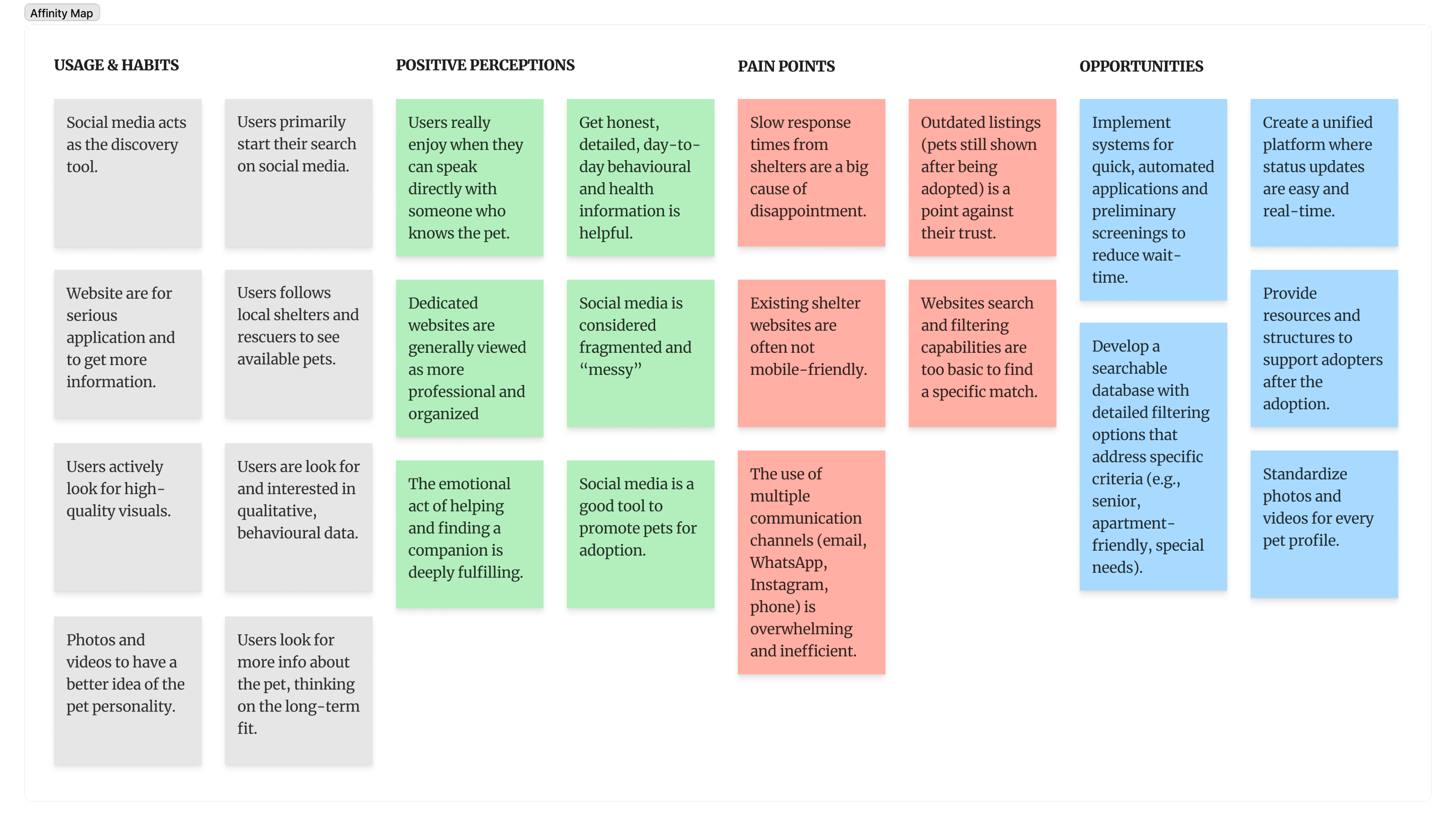
Key Research Insights
Research revealed several consistent behaviors:
- Users struggle to find reliable adoption information.
- Most start on social media but prefer a dedicated website.
- Pet availability is often unclear or outdated.
- Slow shelter responses cause frustration.
- Poor communication leads some users to give up on adoption.
- Users want accurate information and faster responses.
- Main improvement areas: communication, transparency, and website usability.
These findings shaped the recommendation experience and interaction design.
Define
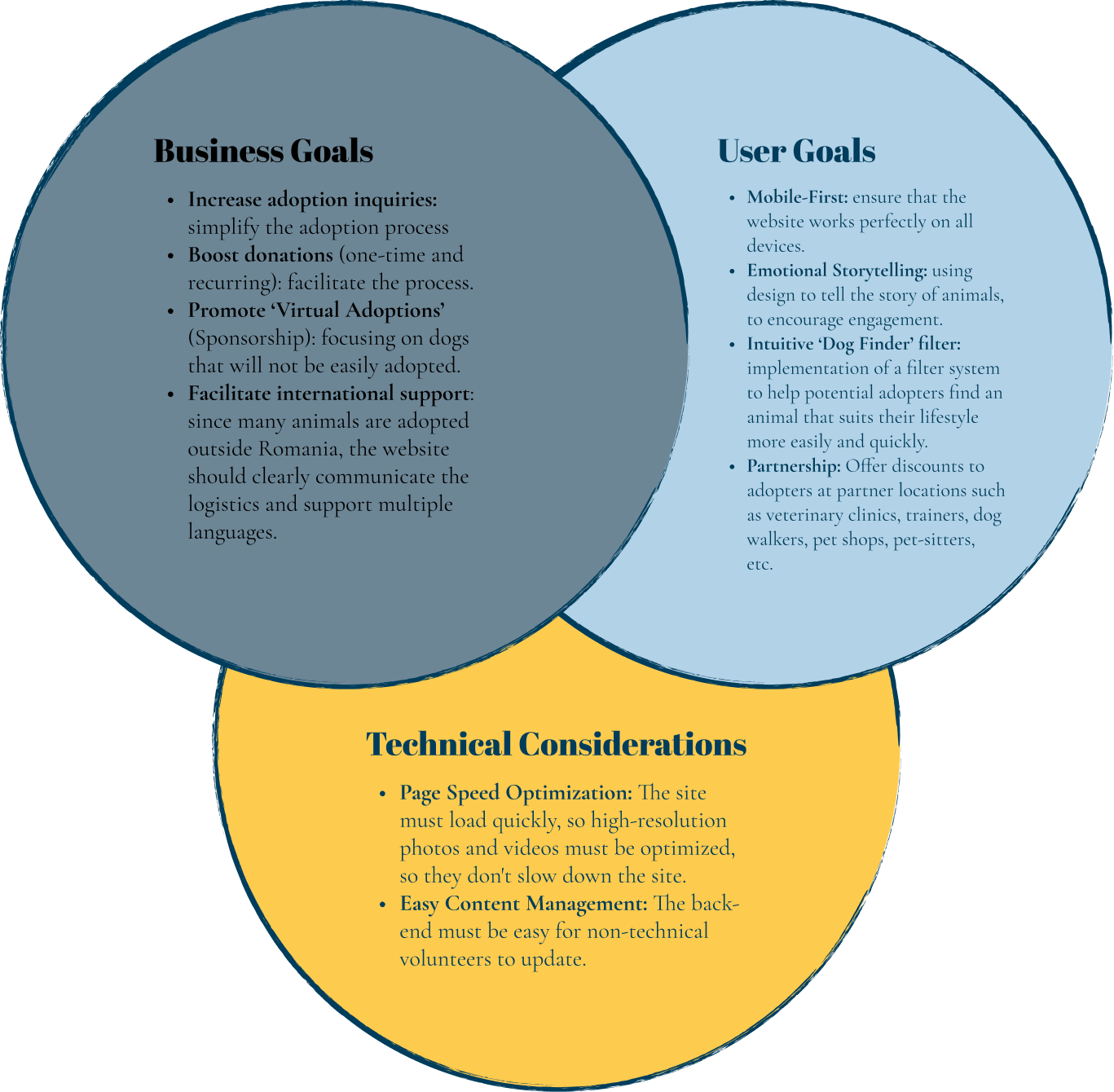
Research findings informed the website structure, prioritizing adoption, donations, volunteering, and organizational information.
Information architecture and user flows were designed to minimize navigation while supporting multiple user goals.
Persona
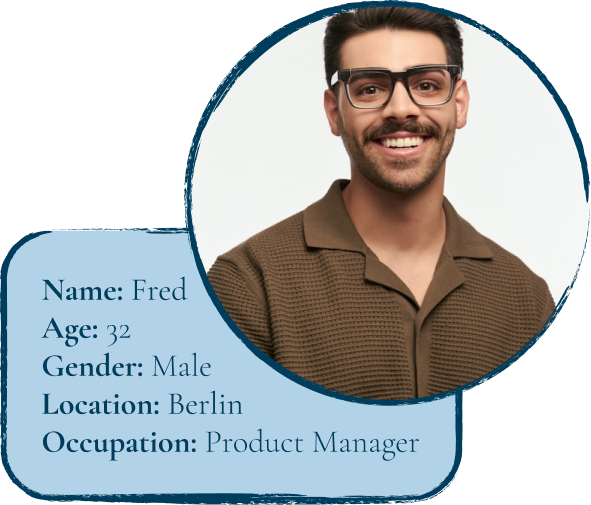
"I just want to easily connect with the right pet and feel confident that I'm on a clear path to bringing them home."
About: Fred is a busy, urban guy who is ready to share his home with a furry little friend after his dog passed away. He works full-time but has a flexible schedule. He is highly digitally literate and uses technology to make his life more efficient. He is financially stable and prepared to take on the responsibility of pet ownership.
He is actively searching for a dog or a cat that fits well into his city apartment. He is emotionally motivated to help an animal in need, but he likes things to be more easy and straightforward. He is willing to invest time, as long as the process is transparent and efficient.
Problem Statement
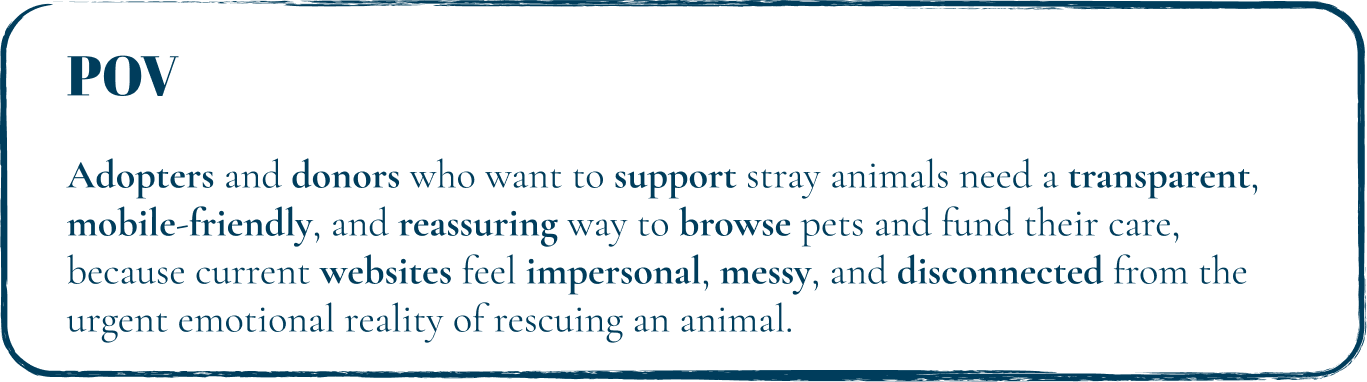
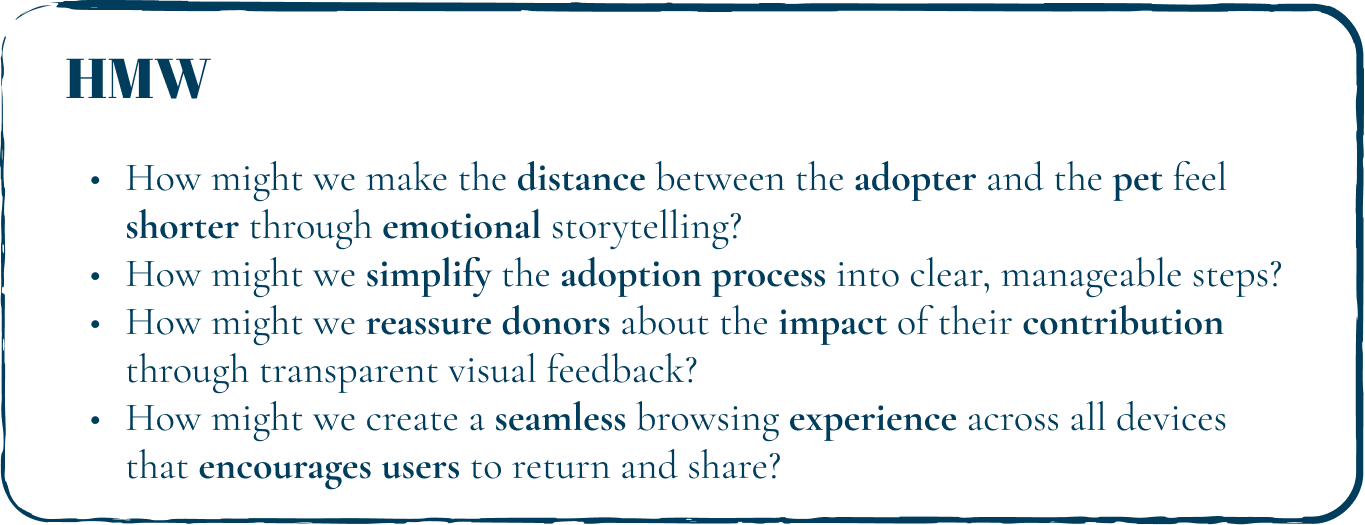
Many potential adopters struggle to support or adopt animals from international shelters due to outdated websites, fragmented information, and poor mobile experiences. This lack of transparency and accessibility makes adoption and donations more difficult, reducing user engagement and support.
A modern, responsive website can simplify the adoption process, improve access to reliable information, and create a more engaging experience that encourages users to adopt, donate, and support the shelter's mission.
Project Goals
User Flow
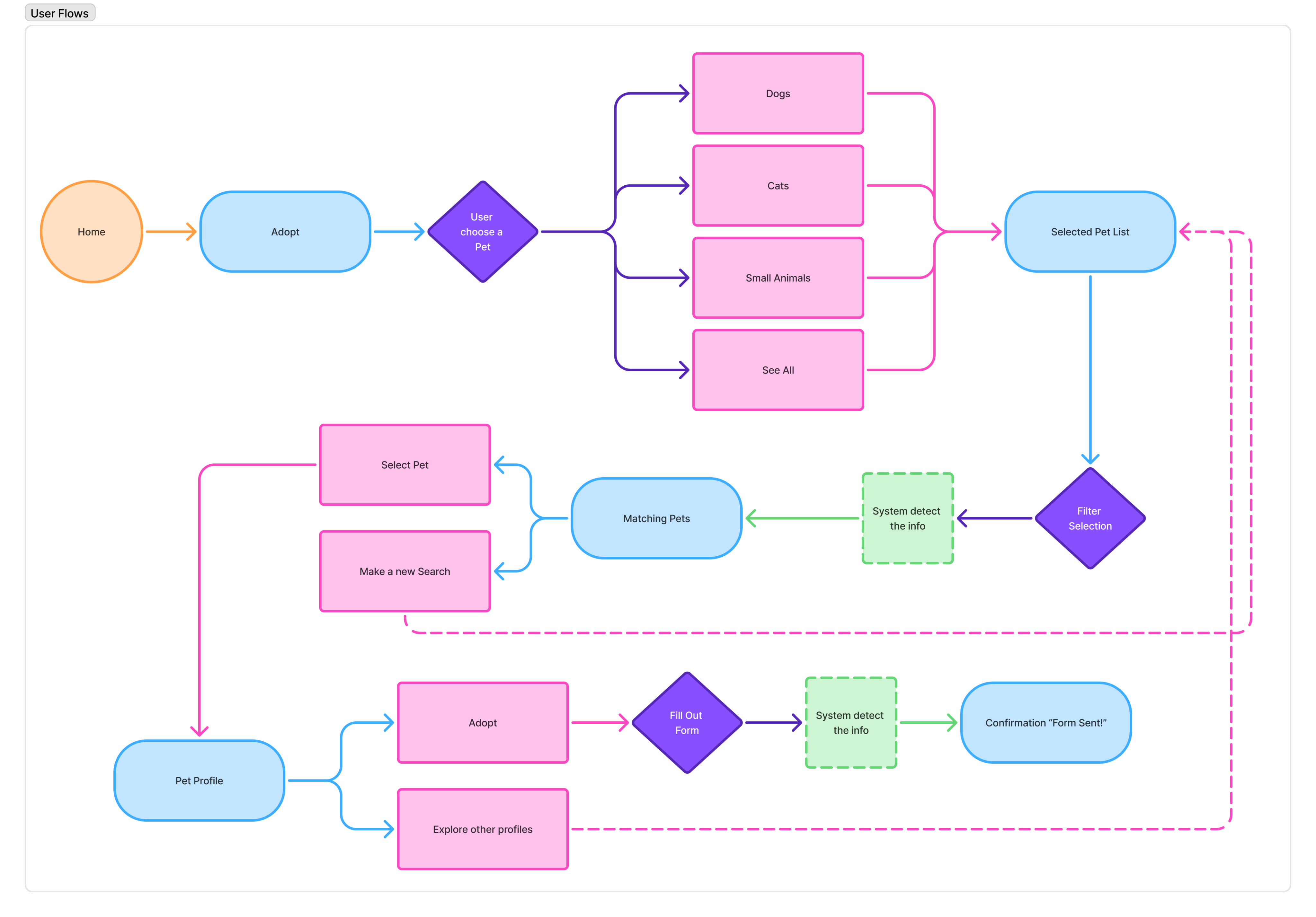
To guide my design decisions and better understand how users would navigate the website, I created a user flow for the key journey of adopting a dog. Mapping this flow helped identify potential pain points early and ensured the experience was intuitive, efficient, and easy to navigate across devices.
Design
Branding
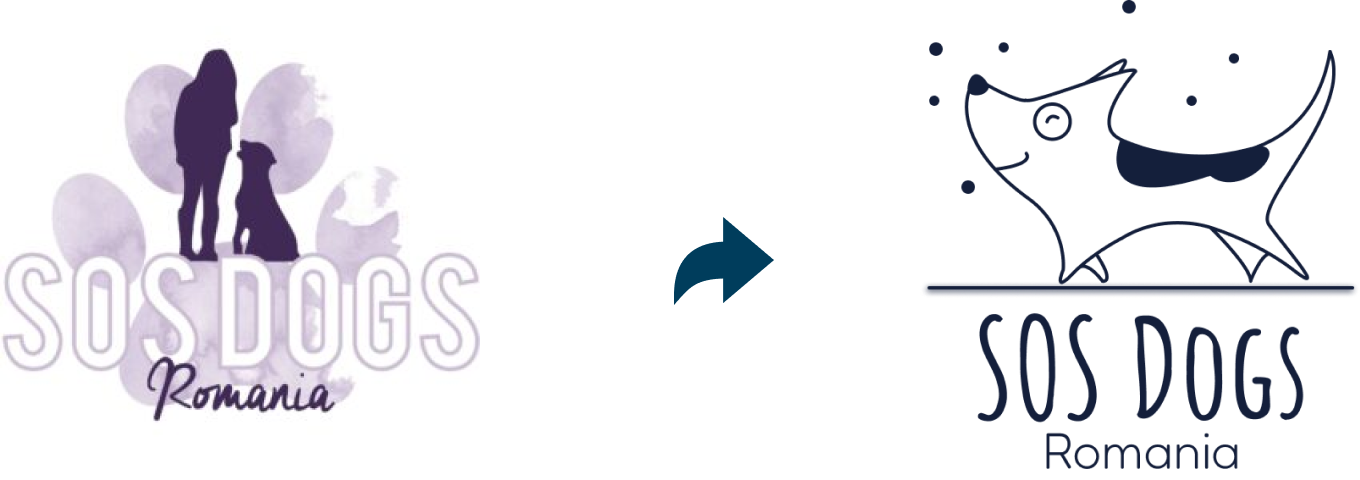
I refreshed the NGO's existing logo by redesigning it with a more modern, approachable, and versatile visual style.
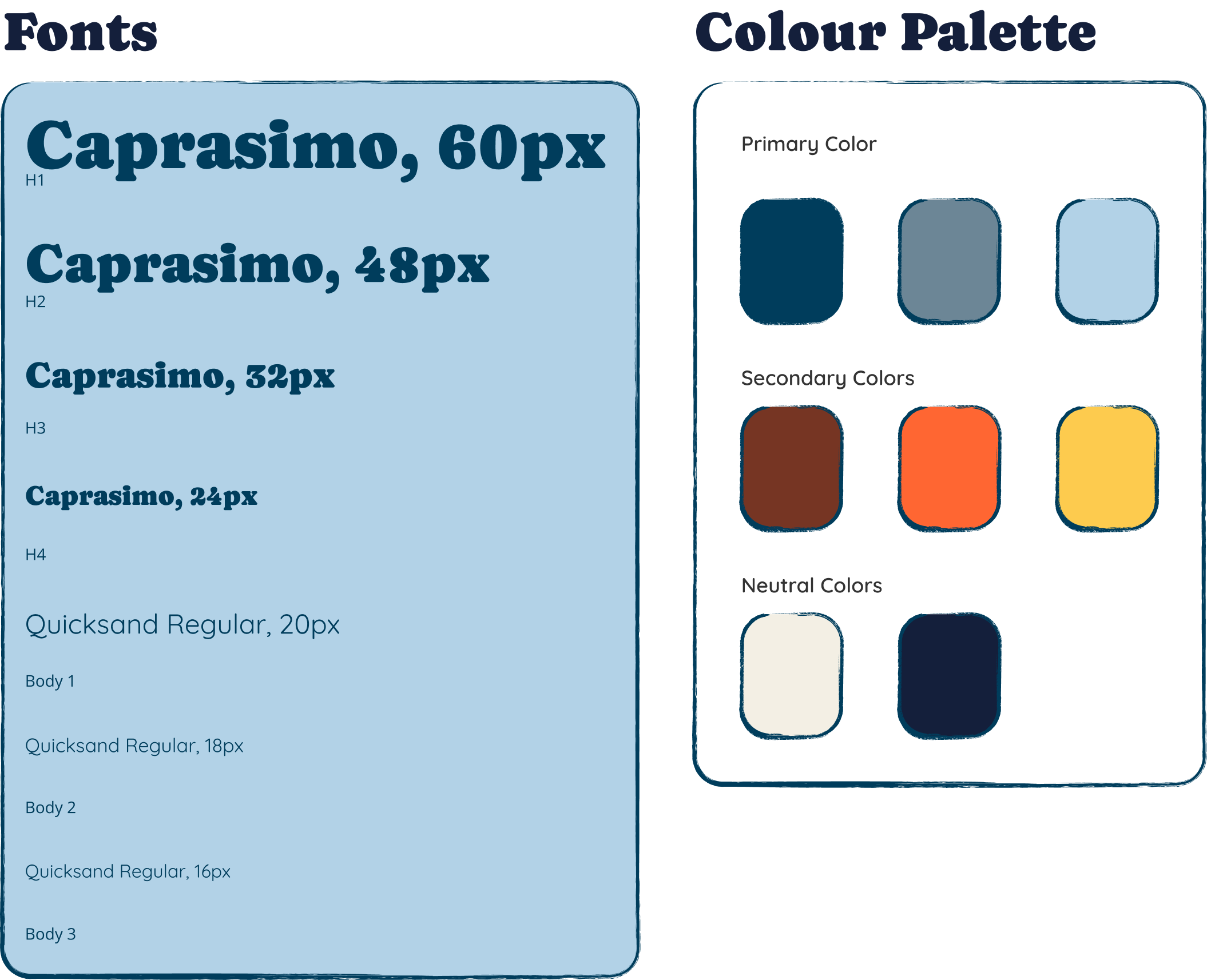
I also developed a cohesive style guide, defining the color palette, typography, iconography, and visual elements to ensure a consistent and recognizable brand experience across the website.
Low-Fidelity Wireframes
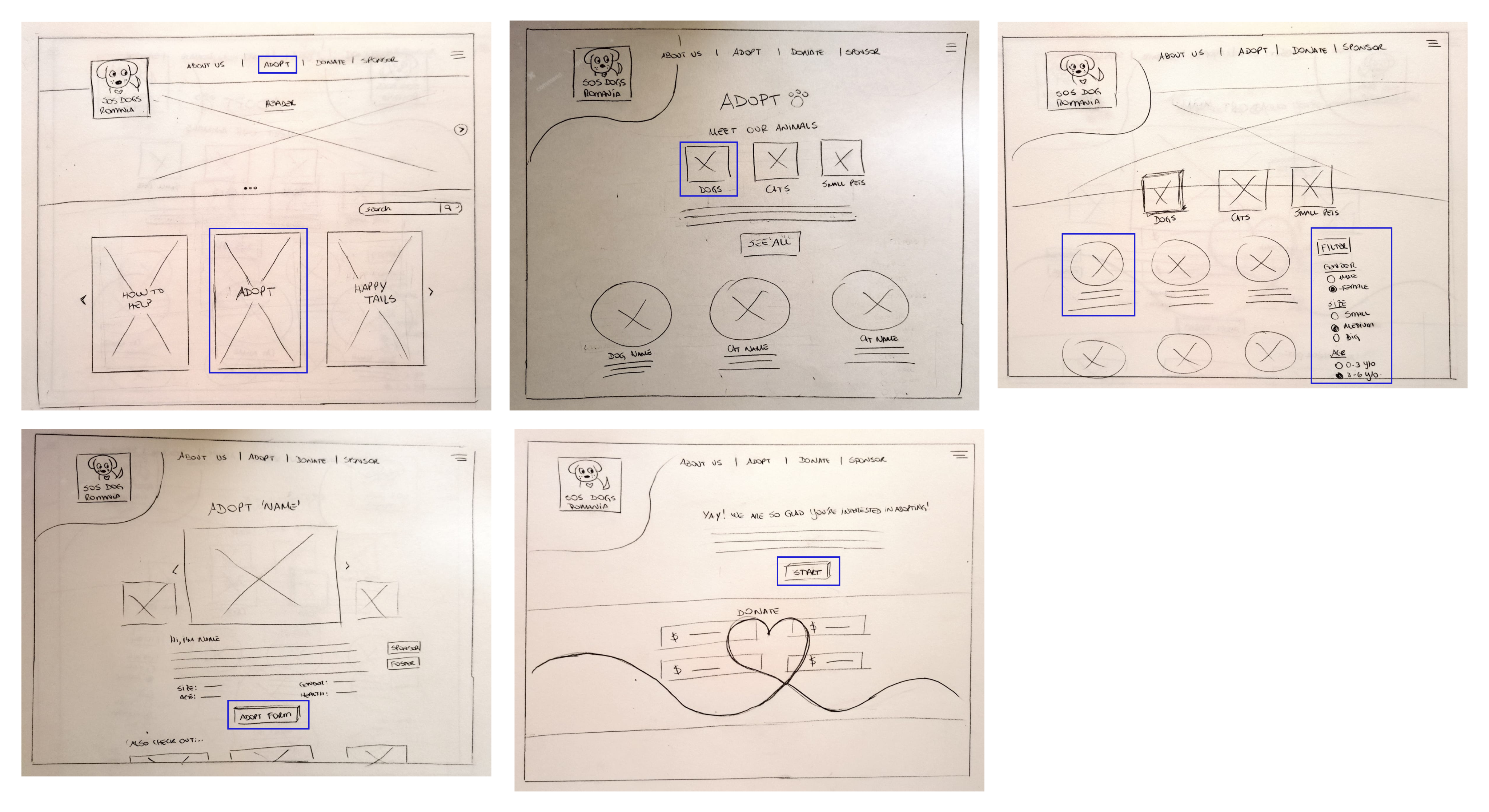
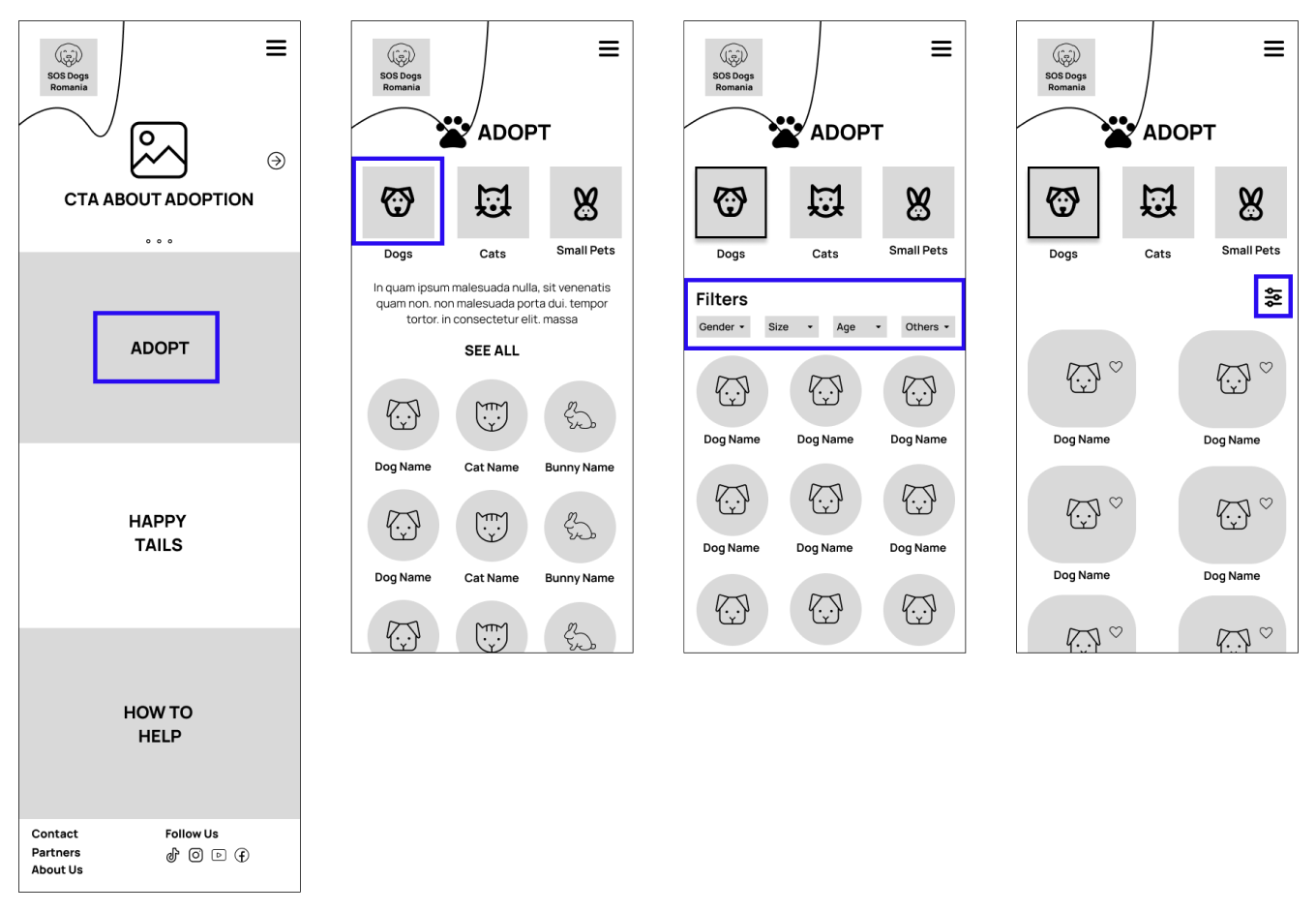
Beginning with sketches and wire frames, I explored different responsive layouts before developing a complete design system.
The visual identity emphasizes warmth, trust, and compassion through soft colors, generous spacing, and approachable typography.
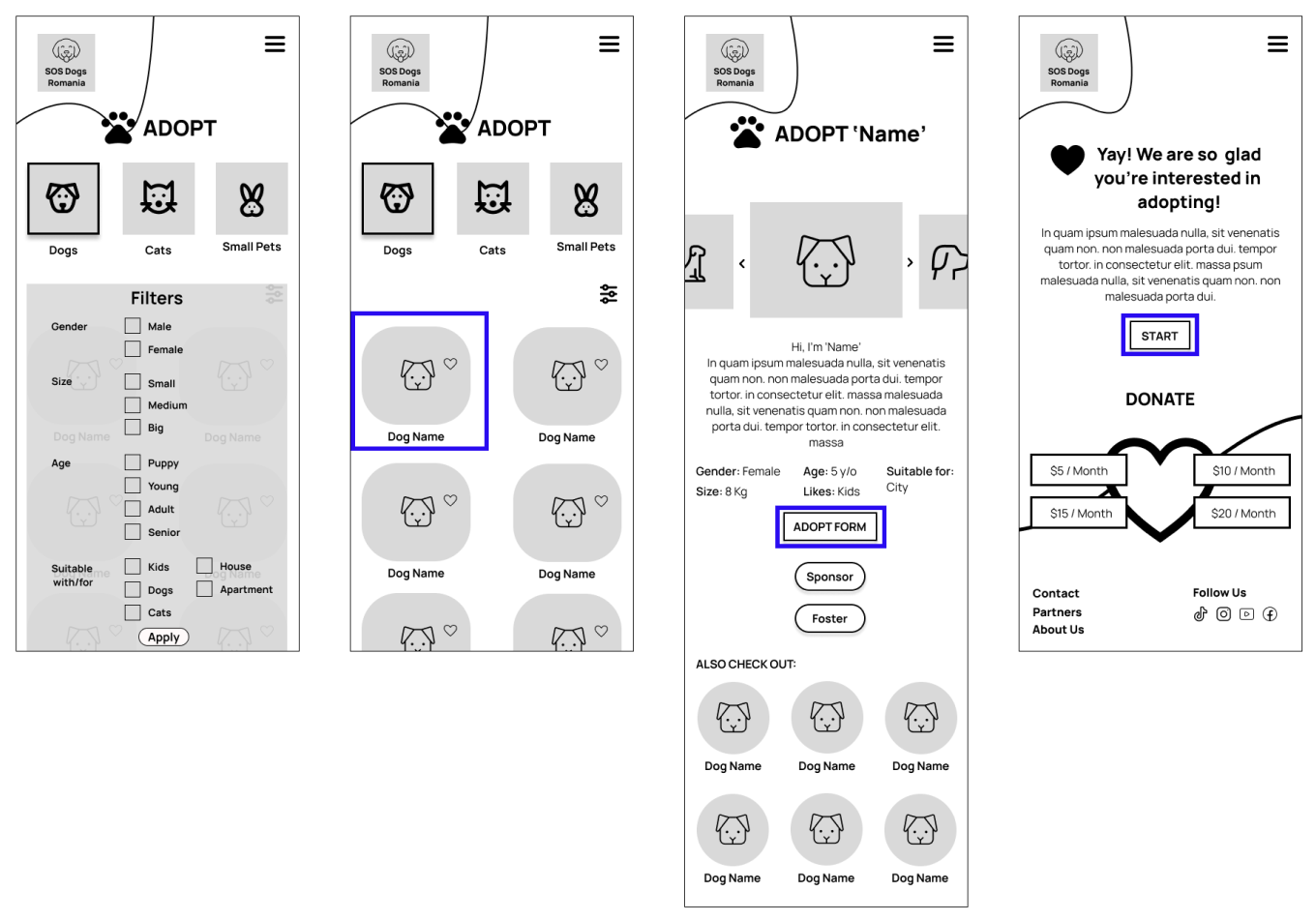
Mid-Fidelity Wireframes
High-Fidelity Mockups
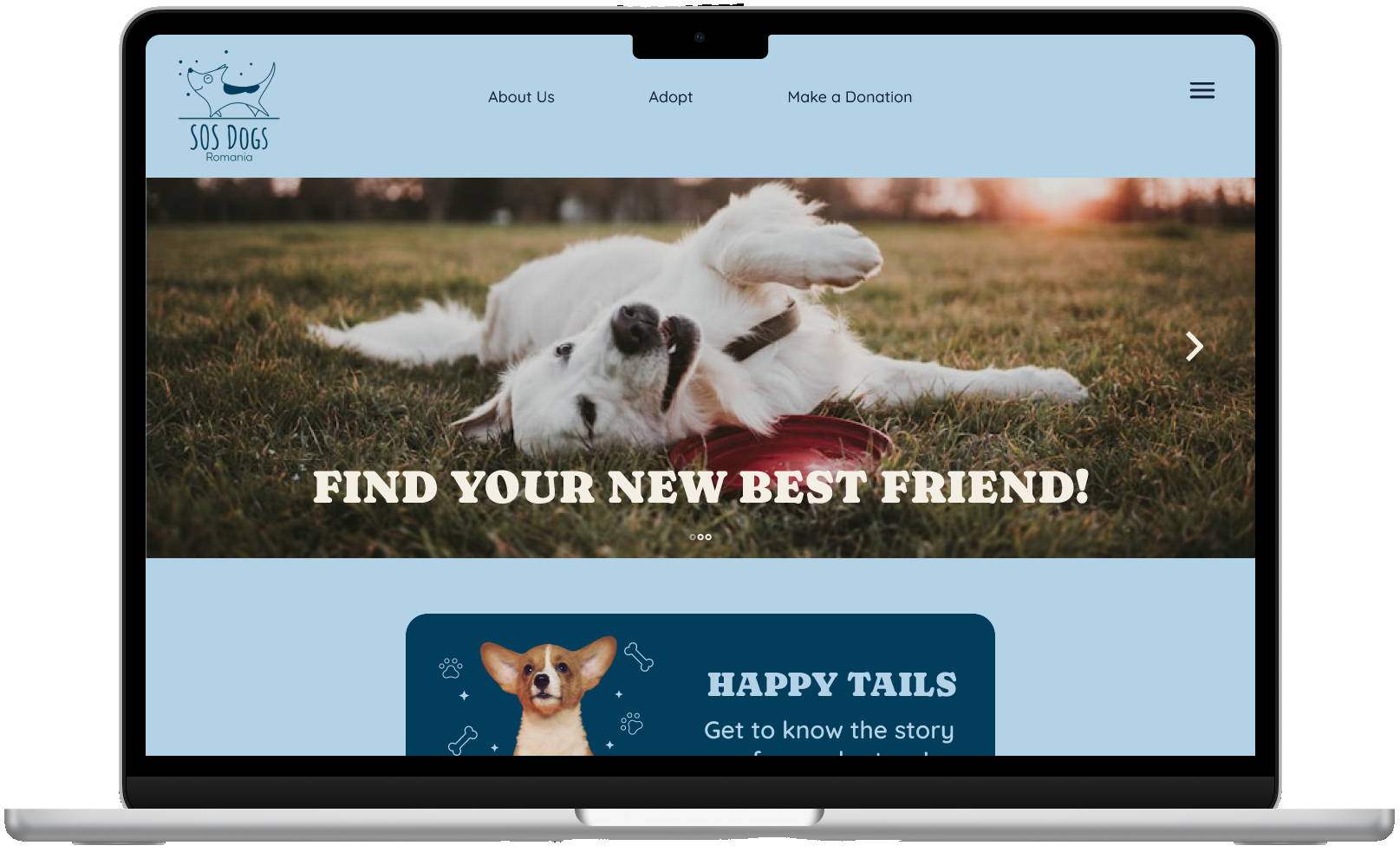
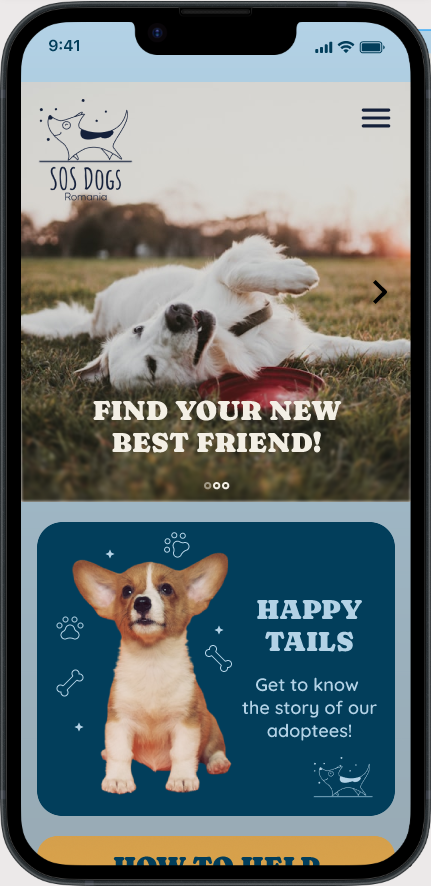
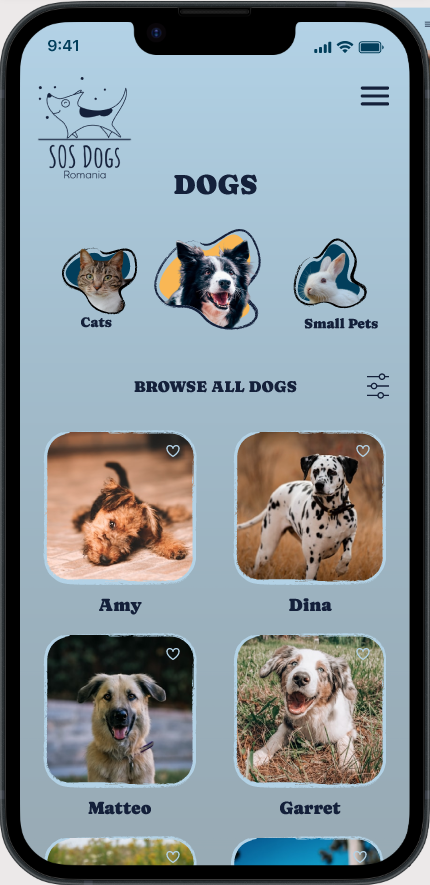
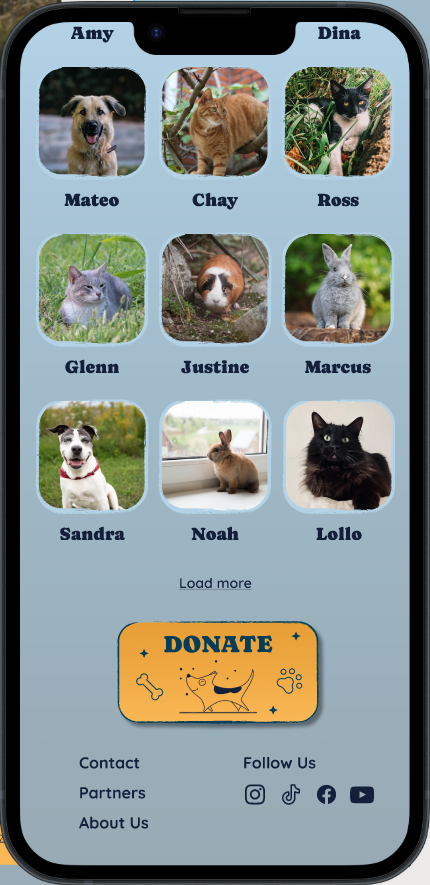
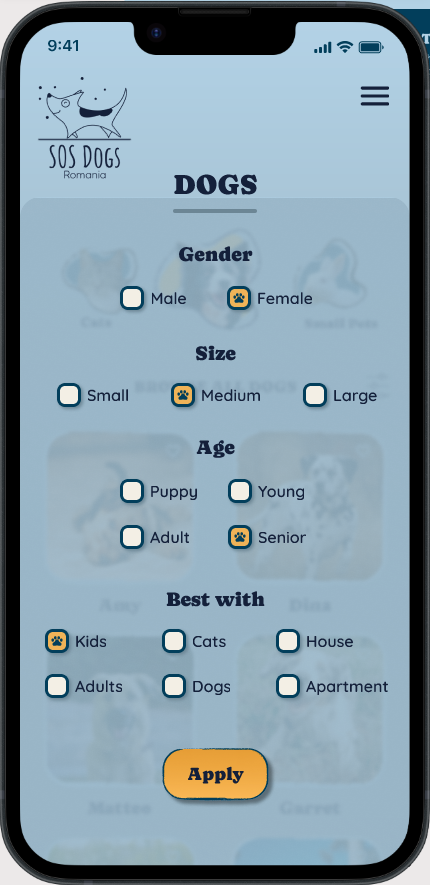
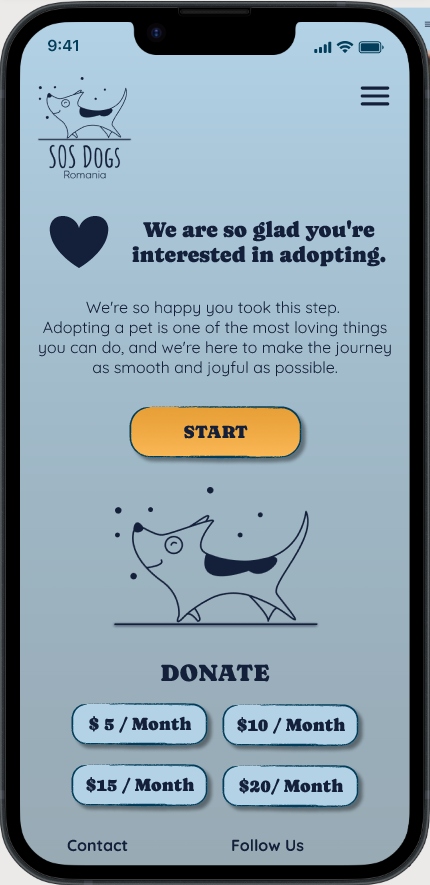
The final design adapts seamlessly across desktop, tablet, and mobile devices.
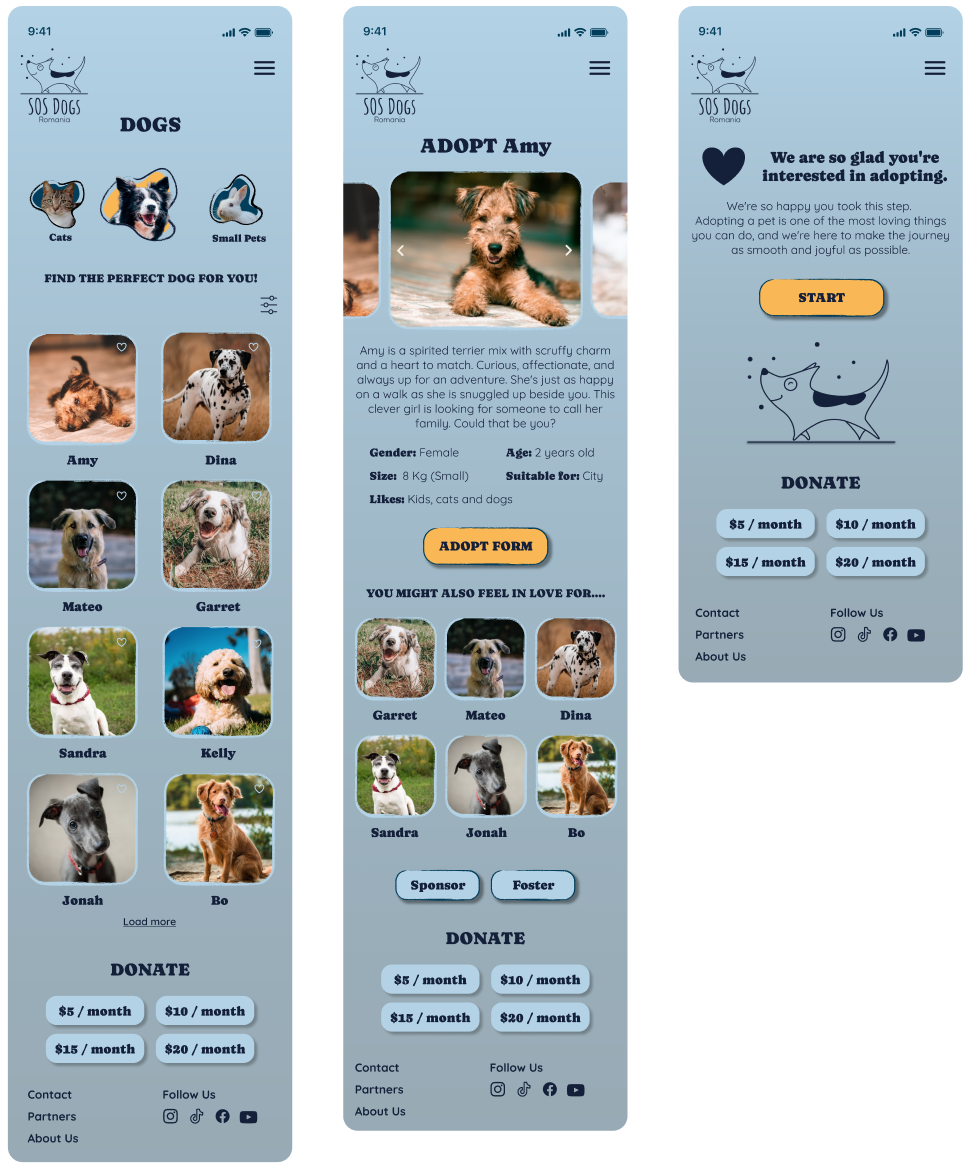
The redesigned website provides a centralized experience for visitors looking to adopt, donate, or support the organization.
Key Features
- Searchable adoption listings
- Clear adoption process
- Online donations
- Volunteer information
- Organization overview
- Responsive experience across devices
Testing & Iteration
Usability Testing
Participants completed adoption and donation tasks using the responsive prototype.
Key Findings
Users found the navigation intuitive and appreciated the improved organization of information.
Feedback highlighted opportunities to simplify donation pathways and increase visibility of volunteer actions.
Design Improvements
Following testing, I made few refinements:
- Simplified navigation
- Improved content hierarchy
- Increased CTA visibility
- Enhanced mobile usability
- Refined page layouts
Which made the overall experience even more seamless.
Prototype
Conclusion
Challenges
Balancing emotional storytelling with clear usability was the project's biggest design challenge.
Lessons Learned
This project strengthened my understanding of responsive design and the importance of prioritizing user goals for nonprofit organizations.
Next Steps
Future iterations could include:
- Online adoption applications
- Donation progress tracking
- Volunteer registration portal
- Event calendar
- Success stories